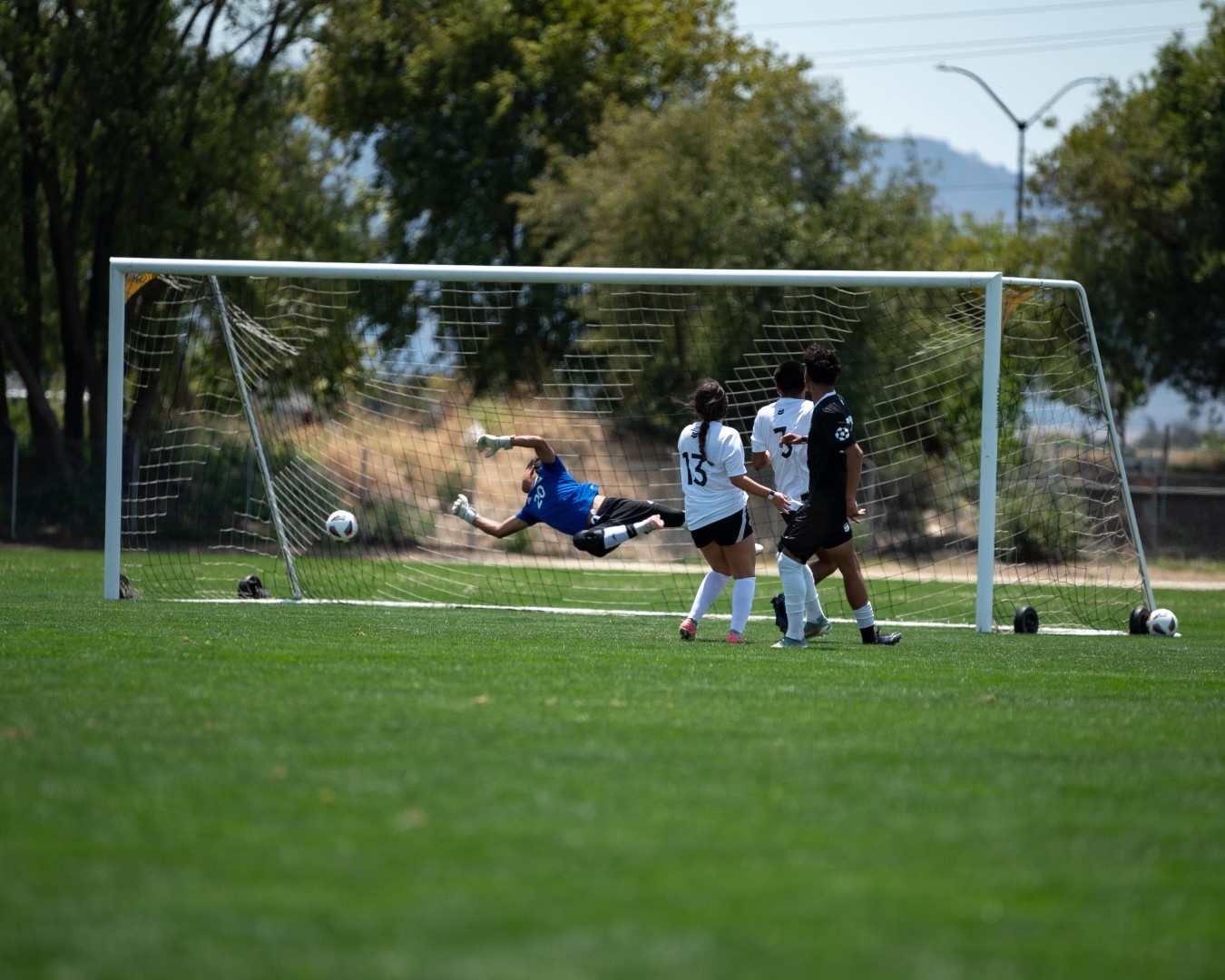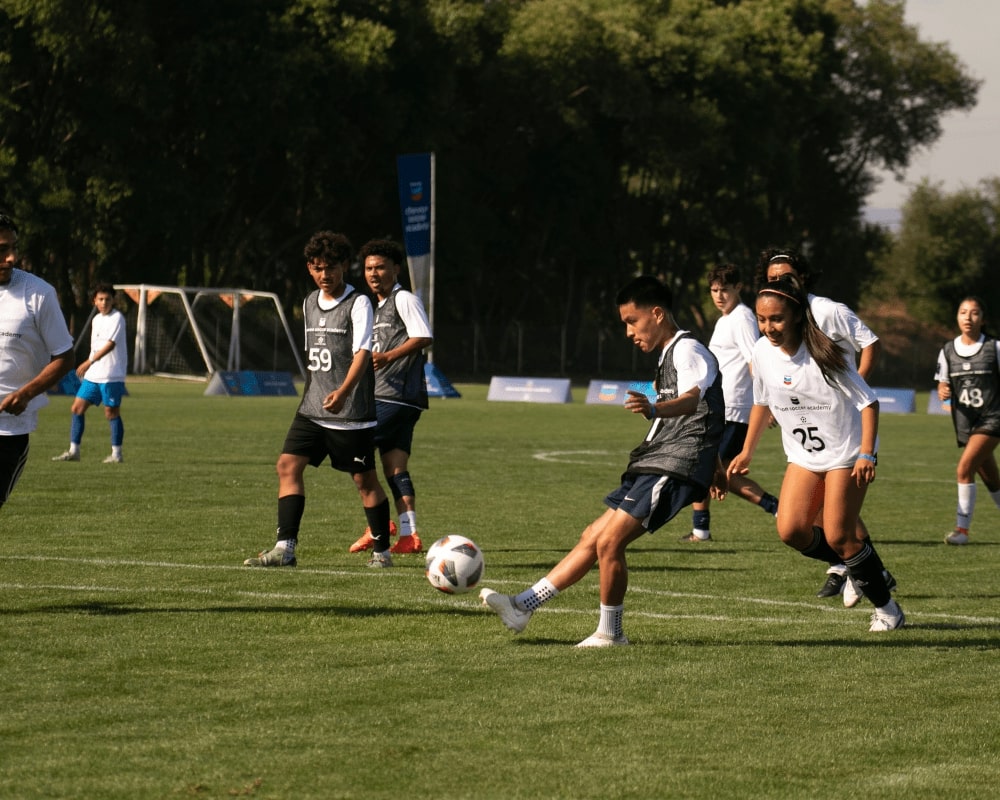

A well-struck curling free kick can travel around a defensive wall and reach the goal from an angle that initially seems impossible. The movement is not a trick of the eye. It is the result of a player controlling the ball's launch direction and rotation, followed by the forces of the surrounding air changing its path. Understanding those forces adds another dimension to the technical skills practiced on the soccer field.
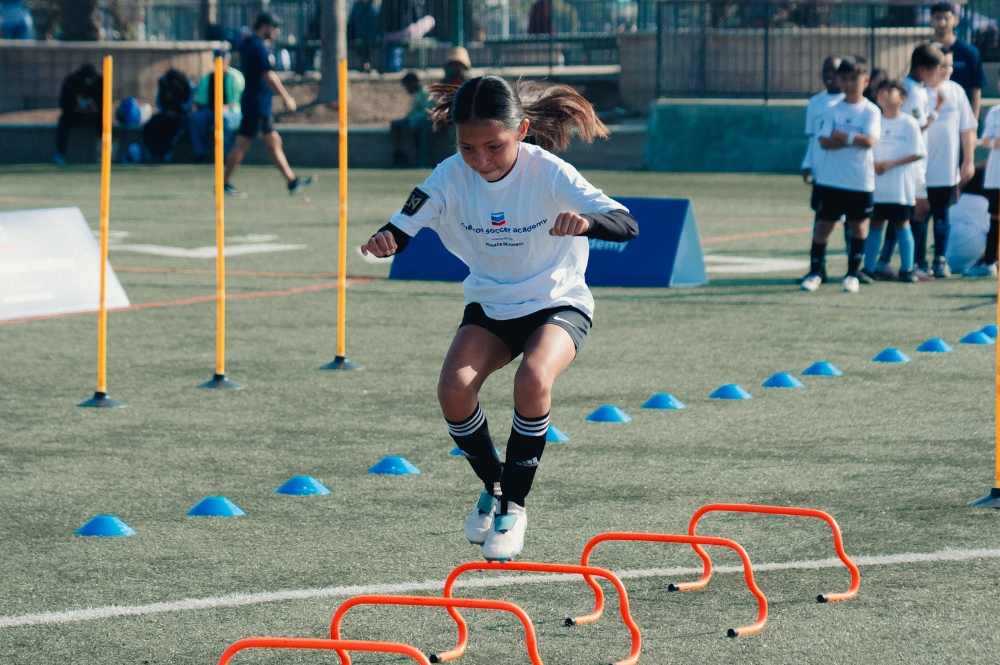
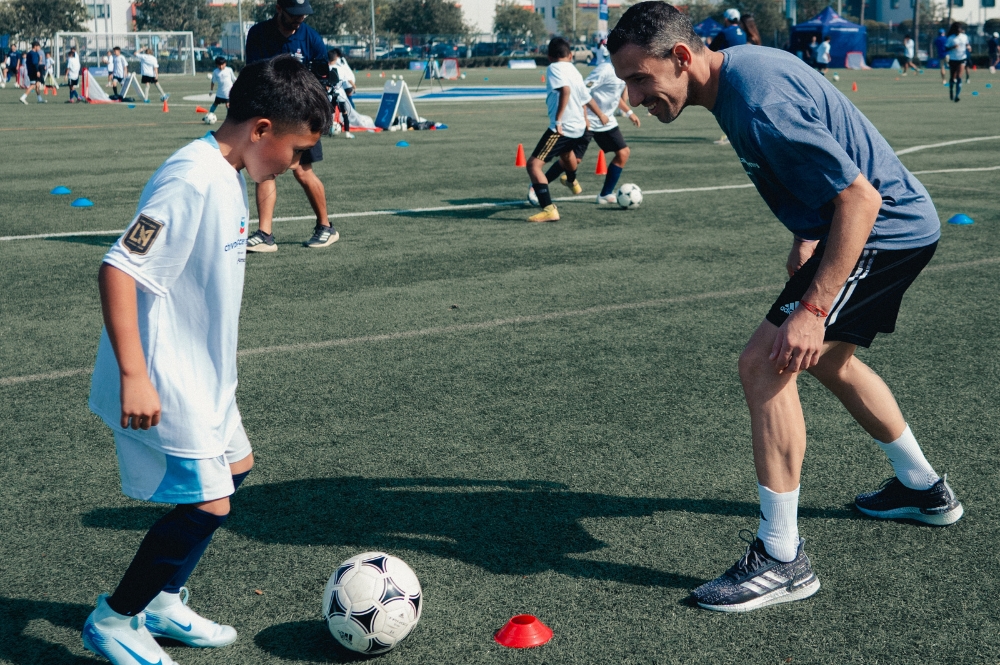
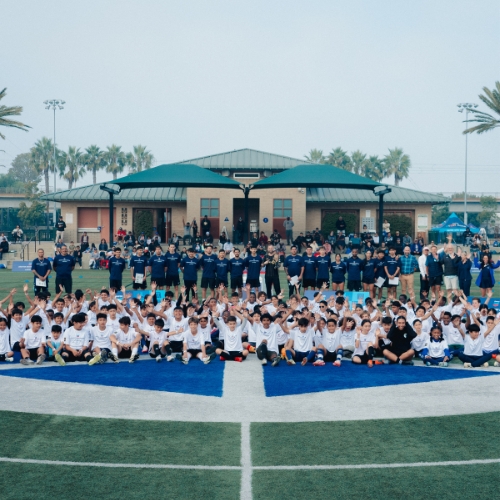
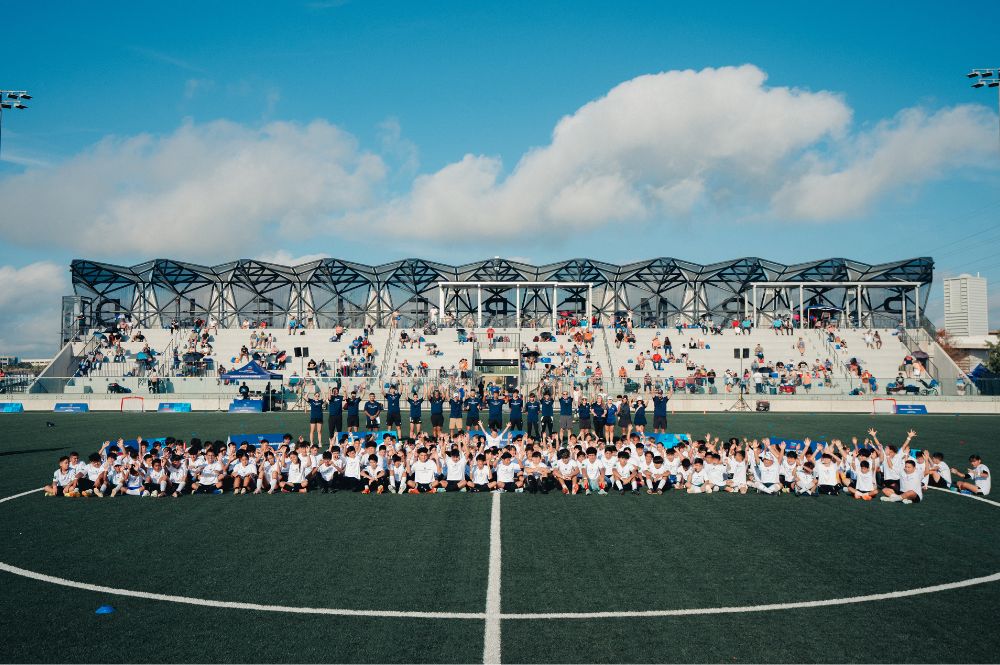
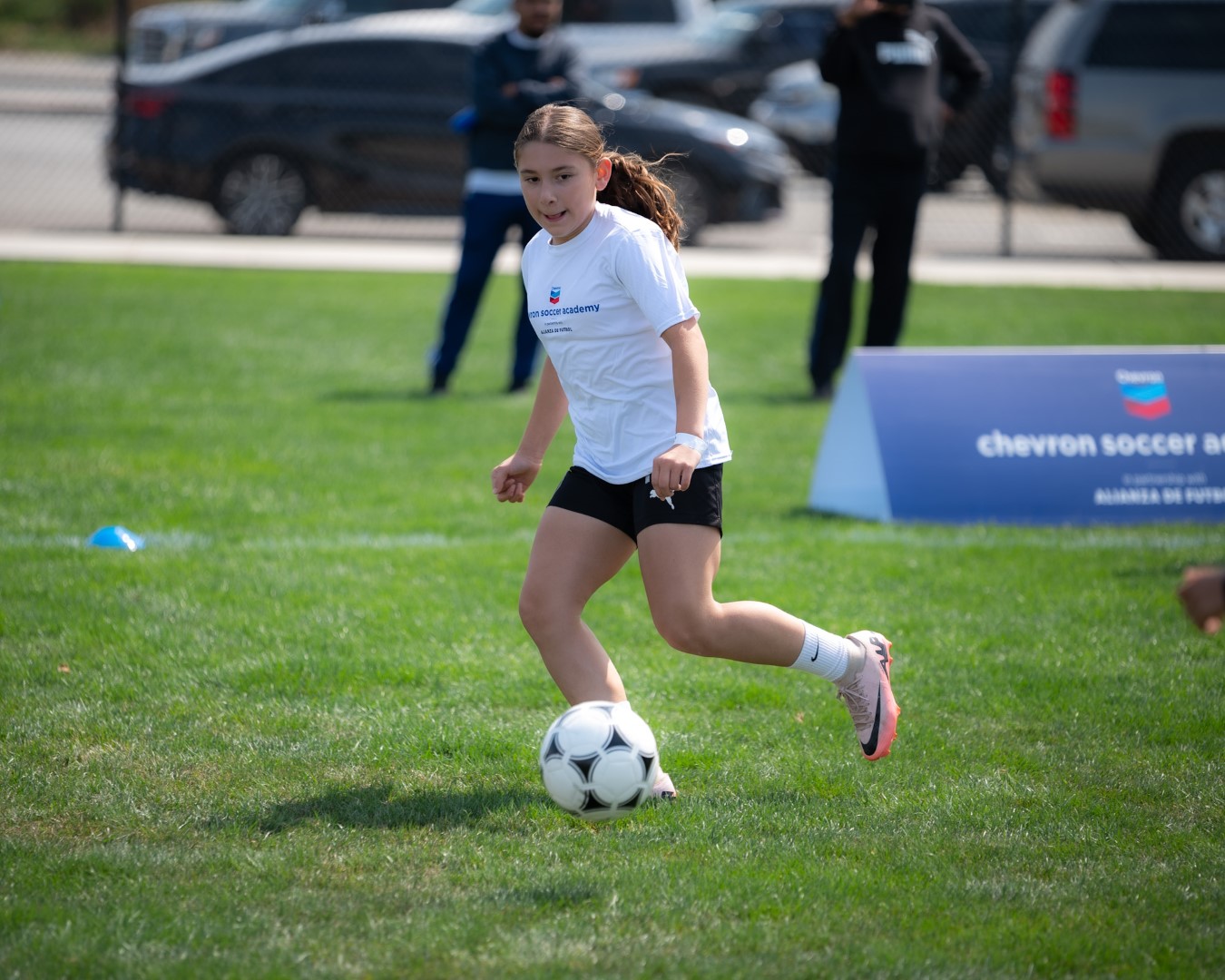
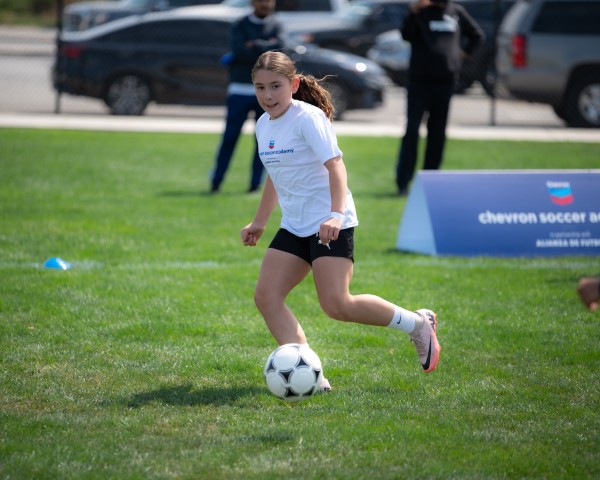
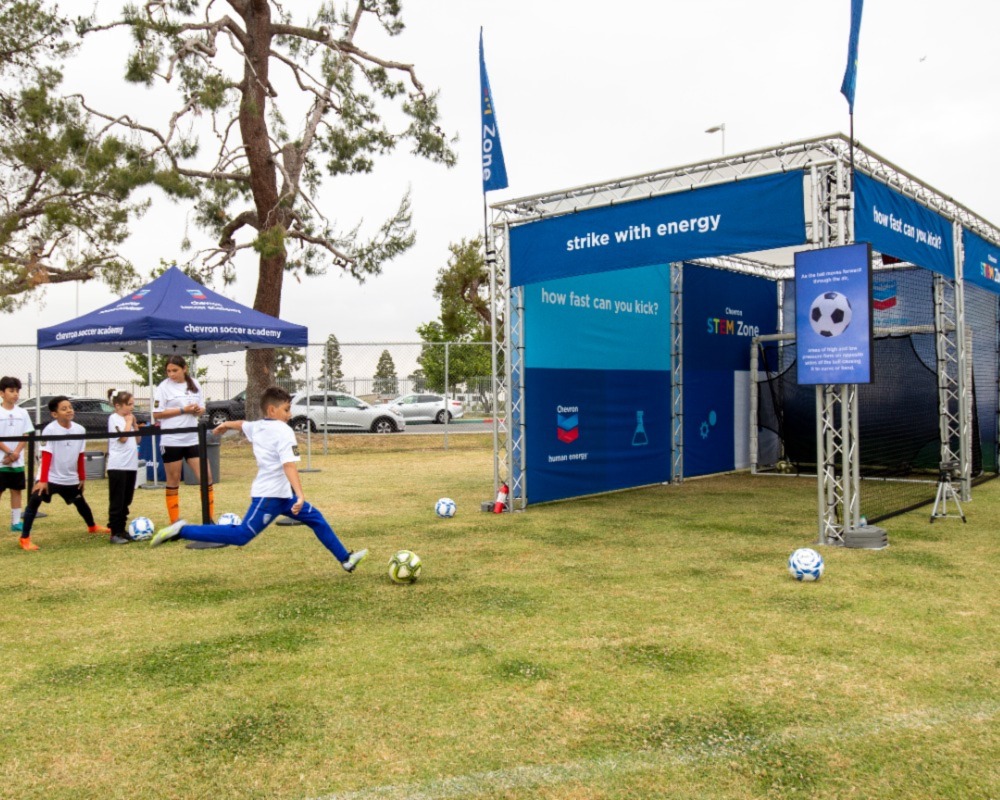
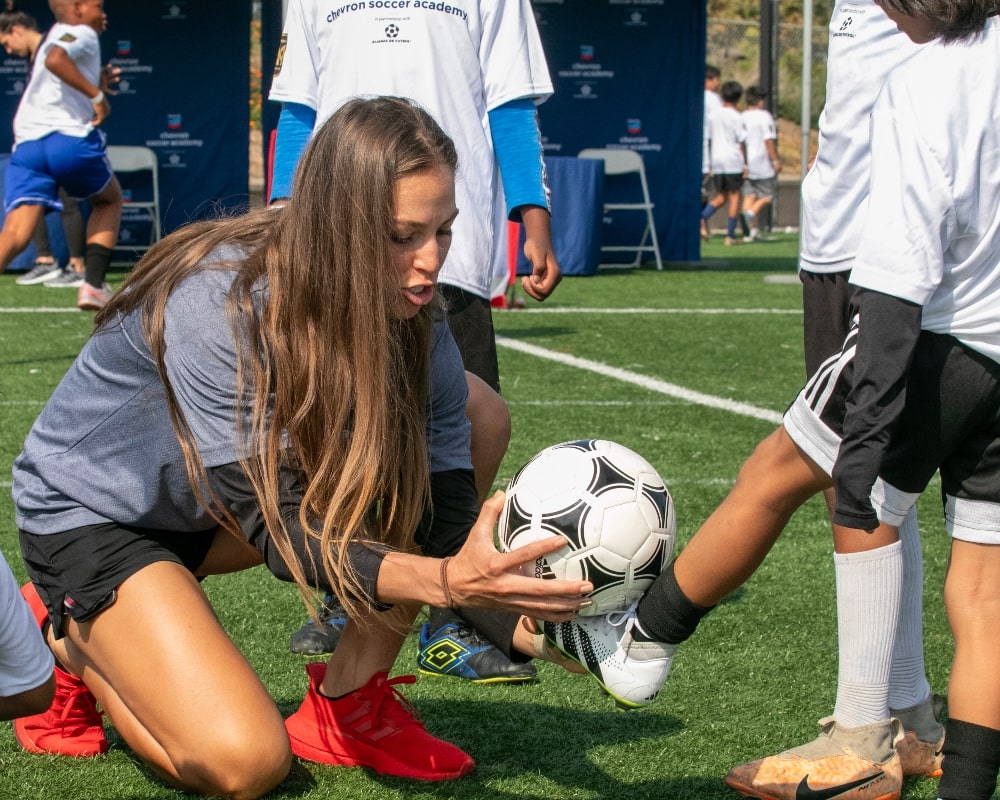
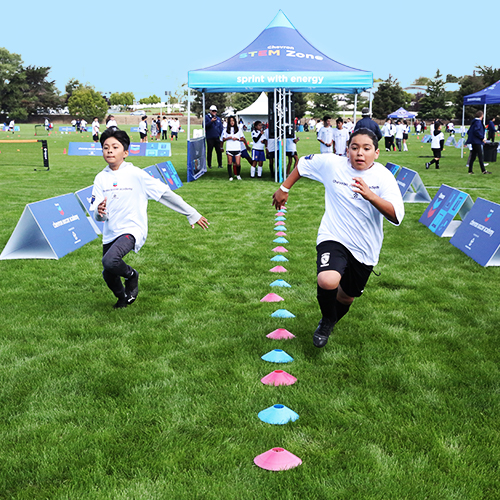
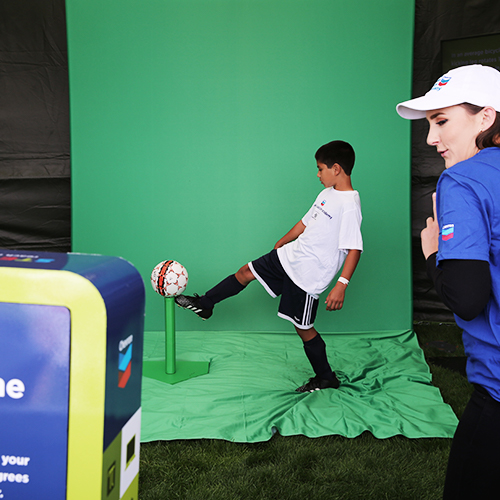
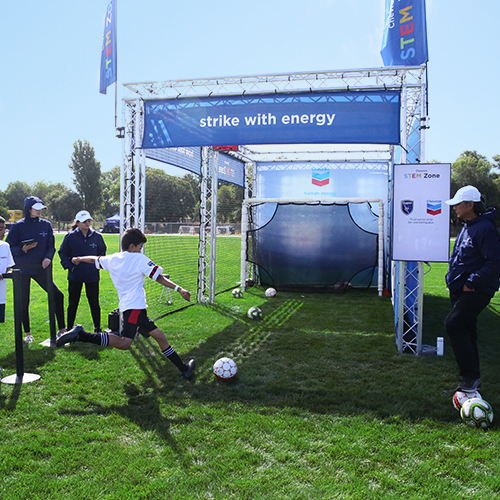
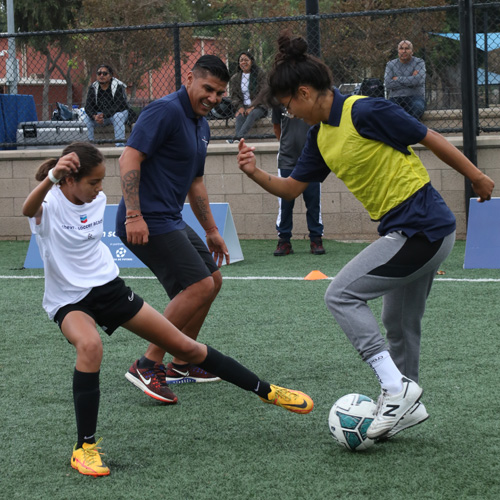
Chevron Soccer Academy's online training includes a curling free kick lesson, while its soccer clinics introduce science, technology, engineering, and mathematics through the Chevron STEM Zone. The same kick that challenges a goalkeeper is also a practical example of physics in action.
What Makes a Soccer Ball Curve in Flight?
Every free kick begins with a force from the player's foot. That brief contact accelerates the ball, giving it a starting speed and direction. Once the ball leaves the foot, three main forces influence its flight: gravity, aerodynamic drag, and an aerodynamic lift or side force. Their combined effect determines whether the shot rises, drops, travels relatively straight, or bends toward the goal.
Gravity, drag, and spin-induced force
Gravity continually pulls the ball downward. Drag, or air resistance, opposes its movement and reduces its speed. When the ball spins, its rotation changes the airflow around its surface. Under suitable conditions, that interaction produces a force perpendicular to the ball's direction of travel. A sideways component of this force causes the visible bend in a curling shot.
These effects act together, not in isolation. A powerful shot may still dip as gravity acts on it, and a spinning shot can curve while slowing because of drag. The speed of the kick, rate and direction of rotation, air conditions, and ball surface all influence the resulting trajectory.
The Magnus Effect: Why Spin Changes the Ball's Path
The sideways deflection associated with a spinning ball is commonly called the Magnus effect. As the ball rotates and moves forward, it alters the surrounding airflow and pressure distribution. The resulting aerodynamic force pushes the ball away from the straight path it would otherwise follow. For a curling free kick, the player aims to create a useful combination of forward speed and sidespin.
Spin direction matters. Reversing the ball's rotation generally reverses the direction of its sideways curve under comparable conditions. The orientation of the spin axis matters too: a mostly vertical spin axis is associated with lateral bend, while a more horizontal axis can contribute to extra rise or dip. In practice, real kicks often combine these rotations.
A common misconception is that more power automatically means more curl. Power affects how fast the ball travels, but noticeable bending also requires the right spin and sufficient time in the air for aerodynamic forces to deflect the shot. Two kicks struck with similar force can therefore follow very different paths.
How Kicking Technique Creates a Curling Free Kick
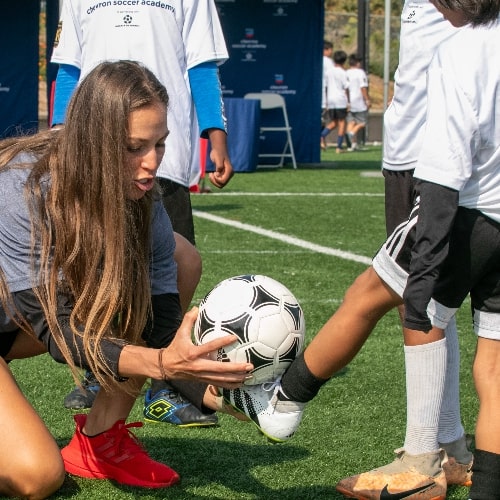
The physics begins with contact technique. A player can impart sidespin by approaching the ball at an angle and striking away from its center rather than driving straight through the middle. The foot's contact point and follow-through influence the direction of rotation, while body balance, planting-foot position, and approach angle help determine control and accuracy.
Balance speed, spin, and accuracy
A fast shot with little spin may travel on a relatively direct line. A shot with controlled sidespin can arc around an obstacle, but excessive emphasis on spin may reduce power or make the contact inconsistent. For developing players, repeatable technique matters more than trying to produce the most dramatic curve on every attempt.
Start with a stationary ball and an unobstructed target. Practice a consistent run-up and clean contact before adding a training wall or aiming for a far corner. The objective is to learn how small adjustments in contact change the outcome, not to copy a professional player's free kick at full speed.
Why Ball Design and Weather Conditions Matter
A soccer ball is not a perfectly smooth sphere. Its panels, seams, surface texture, and inflation affect how it travels through the air. Those details influence the boundary layer of air near the ball and, in turn, its drag and aerodynamic forces. That is one reason two differently constructed balls may not respond identically to the same kick.
Air density and wind also matter. A crosswind may push the ball in addition to any spin-induced curve, while thinner air generally changes the strength of aerodynamic effects. Even with consistent technique, outdoor conditions can make a free kick behave differently from one practice session to another. Coaches and players should treat these variations as part of learning ball control rather than assuming every missed target reflects a technical error.
A Practical Free Kick Drill for Young Players
A simple controlled drill can help players connect what they feel at contact with what they see during flight. Use an age-appropriate ball, a clear practice area, and a safe target away from other participants. Begin close enough that players can prioritize technique over power.
- Establish a baseline: Take several controlled shots toward the same target with minimal intentional sidespin, observing the initial direction and flight path.
- Add sidespin: Move the contact point slightly off-center and use the same approach and approximate power. Watch whether the ball bends left or right.
- Change one element: Adjust only the approach angle or contact point for the next group of kicks, rather than changing everything at once.
- Compare results: Record where each ball lands, whether it curved, and how repeatable the technique felt. Repeat the sequence before drawing conclusions.
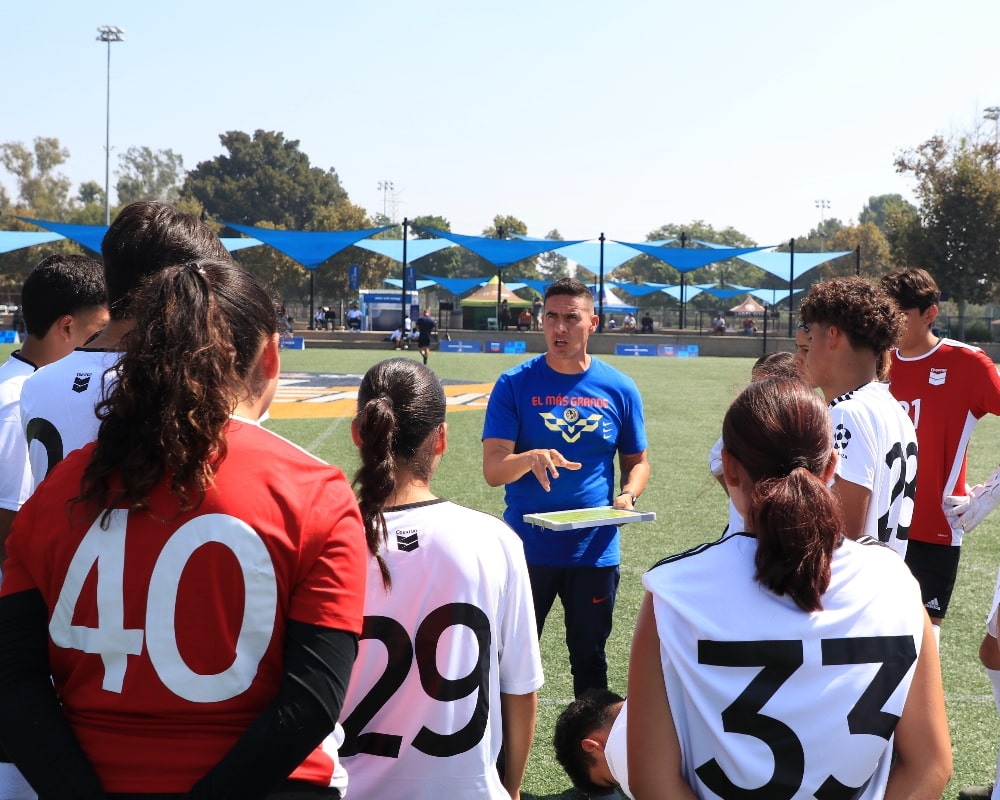
Coaches can adapt the drill to each player's ability and stop when fatigue begins to affect technique. A controlled session that encourages observation is more useful than repeatedly attempting maximum-power shots.
Connecting Soccer Skills With STEM Learning
The flight of a soccer ball offers a concrete way to explore concepts such as force, motion, rotation, measurement, and cause and effect. Players can compare video clips, mark approximate landing points, or investigate how one deliberate change to a kick affects its trajectory. Slowed-down footage can help distinguish the ball's initial direction from the bend that develops later in flight.
For a more careful investigation, it helps to separate observations from explanations. Seeing that one kick curved farther than another is an observation; attributing the difference entirely to increased spin is a hypothesis that needs supporting measurements. A useful starting point for deeper scientific exploration is the Magnus effect and the forces acting on a spinning soccer ball, with attention to how experiments isolate variables and evaluate evidence.
That approach reflects the educational value of soccer-based STEM activities: familiar movements become opportunities to ask testable questions. The pitch provides a setting for observation, while the science gives players a clearer understanding of why a technique works.
The Takeaway: Better Technique Through Better Understanding
A curling free kick depends on more than striking the ball hard. The player's contact creates speed and spin; gravity, drag, and spin-related aerodynamic forces then shape the ball's flight. Learning to recognize those factors can improve the quality of practice, help explain inconsistent results, and make a challenging soccer skill more approachable.
Whether players are refining their technique or exploring the science behind the sport, the same principle applies: observe carefully, make one adjustment at a time, and build control through consistent practice.